How to choose the right dining table
The dining table is the piece you use most and think about least. Before choosing from a photograph, measure the room, count…
Free white-glove delivery on every order
Visit our Whittier showroom — Monday to Friday
New: The Autumn Collection 2026
Search furniture, stories, and pages. Press Enter to search.
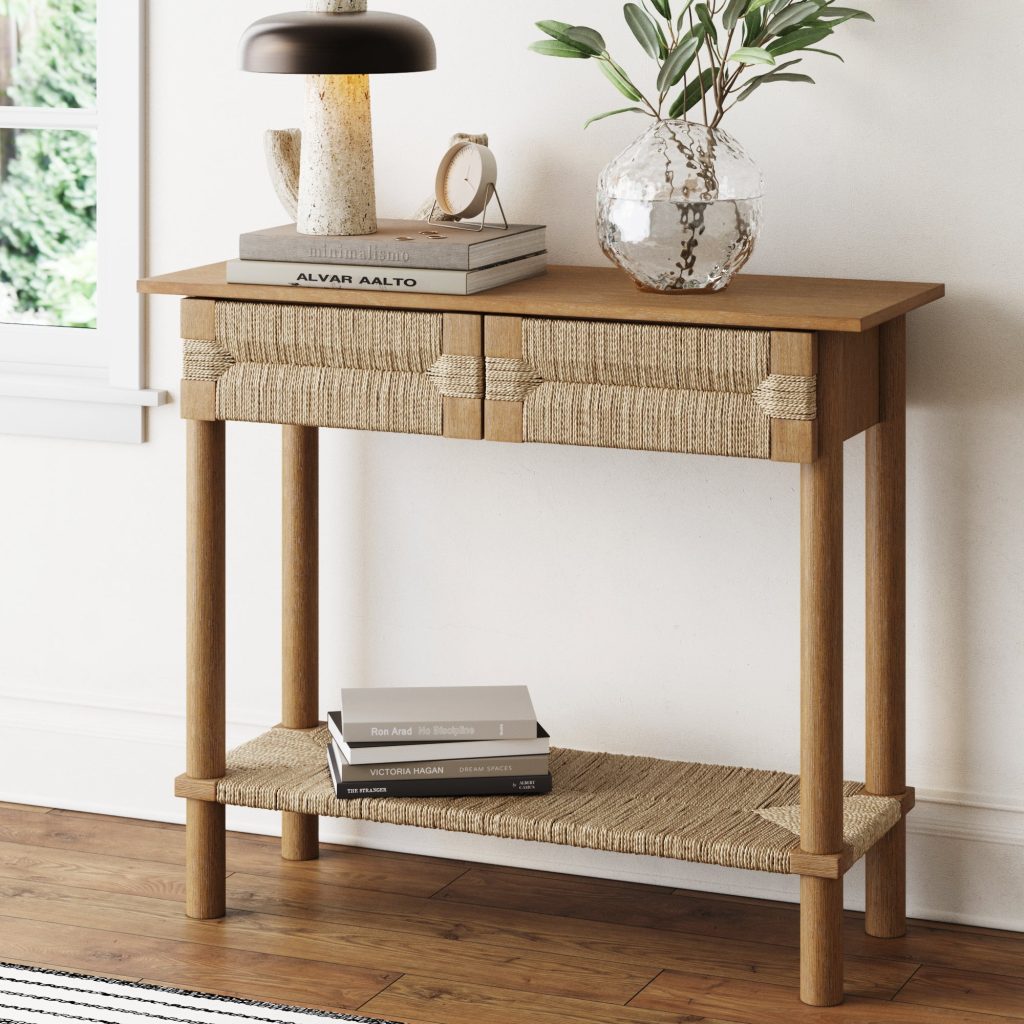
Solid wood is a living material. Even after the final coat, the boards keep responding to humidity, sunlight and the heat of a kitchen. It does not need to be treated like a museum piece: four simple habits will carry it through decades and let it gather character along the way.
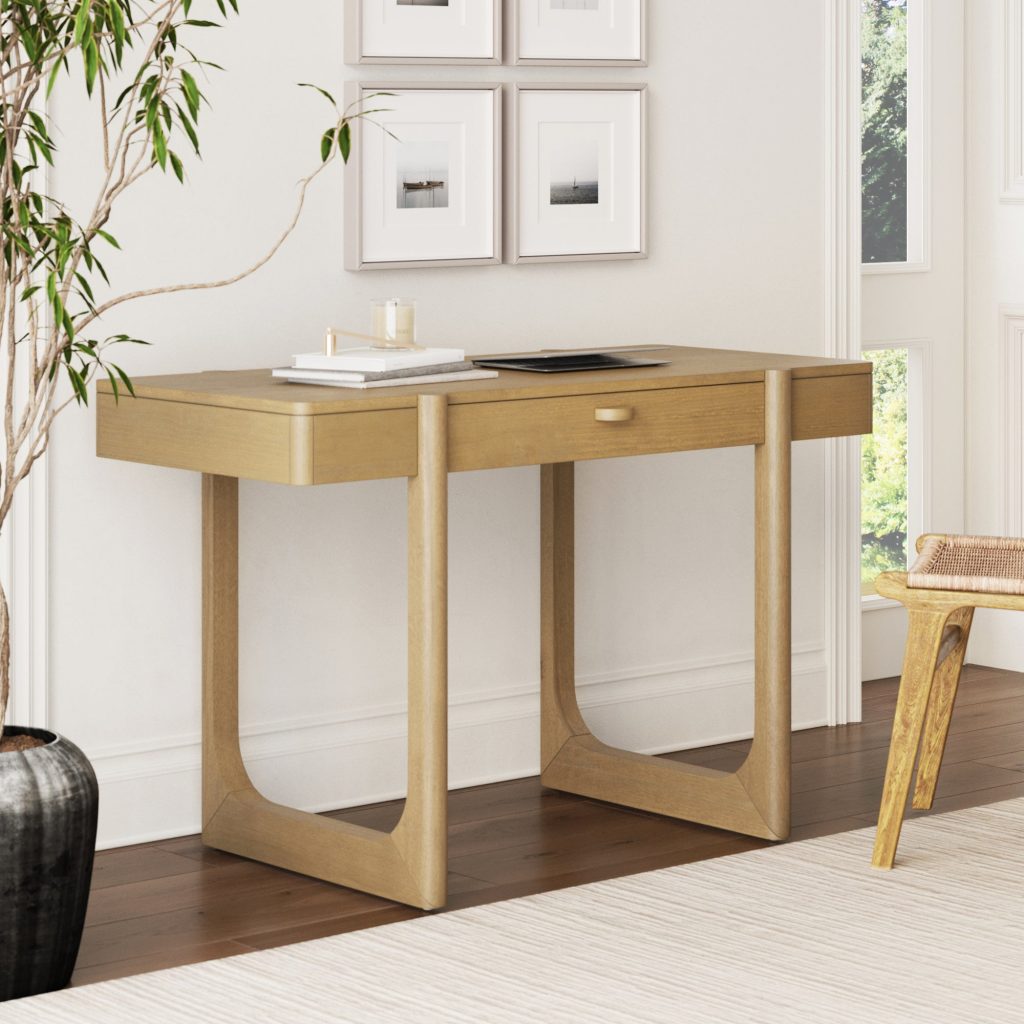
Steady sun bleaches wood and dries the surface. If a table sits beside a window, lower the shade during the strongest hours or rotate the objects on top. Avoid radiators, fireplaces and ovens too: sudden temperature swings are what open joints and create hairline cracks.
A barely damp cloth and mild soap are enough. Dry immediately. Skip bleach, alcohol, thinner and abrasive cleaners — they lift the finish and leave marks that cannot be blended out. For spills, blot with a clean cloth and let the surface air dry.
A thin coat of furniture oil — polymerized linseed oil or a natural wax blend — keeps the grain nourished and helps resist stains. Apply with a rag, let it absorb for fifteen minutes, then buff away the excess. Work on a dry day with good ventilation, never on a hot surface.
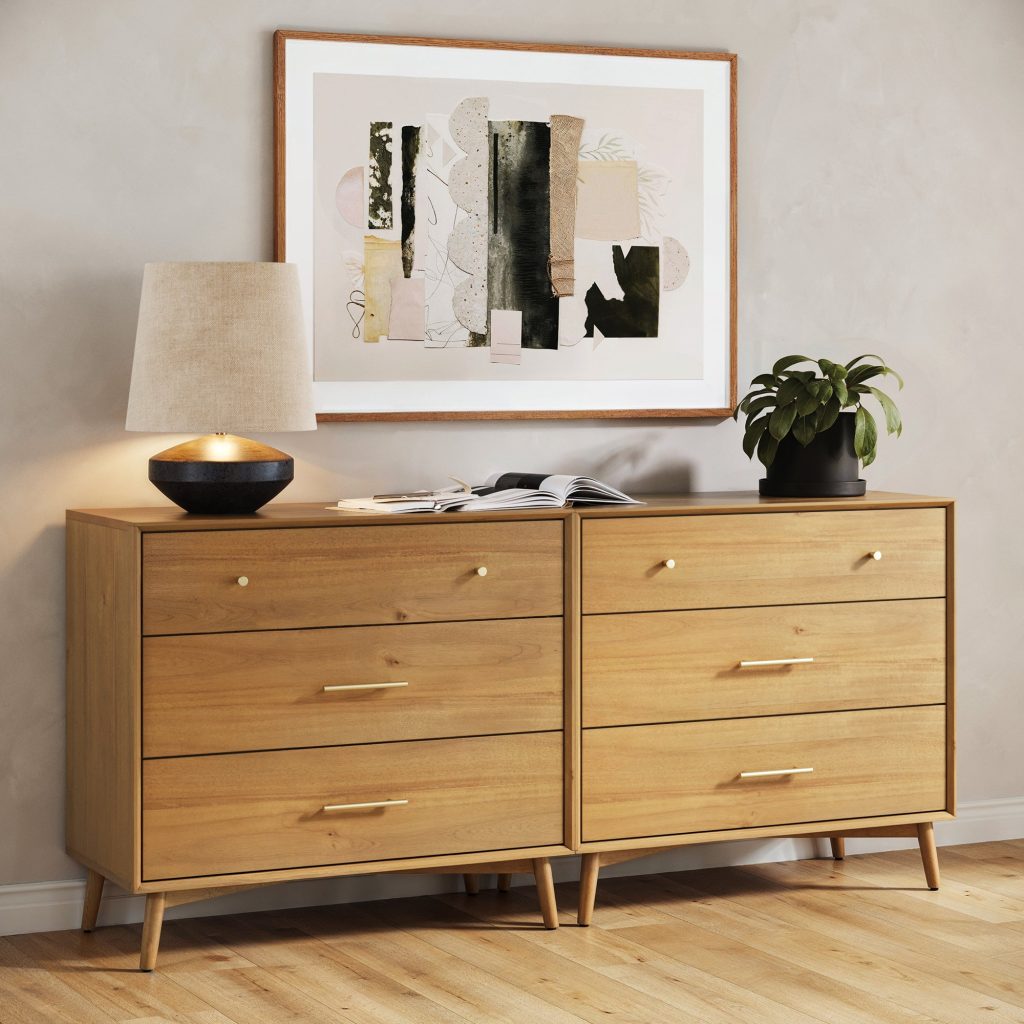
If a cold glass leaves a white ring, rub a little oil into the spot with a soft cloth. If the mark is older, sand very lightly with 600-grit paper, re-oil and let it cure. For deep scratches, write to us: we would rather repair a piece than replace it.
Every piece leaves our workshop ready to use. If you would like a care kit or a restoration visit, email info@jinidai.com or browse the current collection in the shop.

The dining table is the piece you use most and think about least. Before choosing from a photograph, measure the room, count…
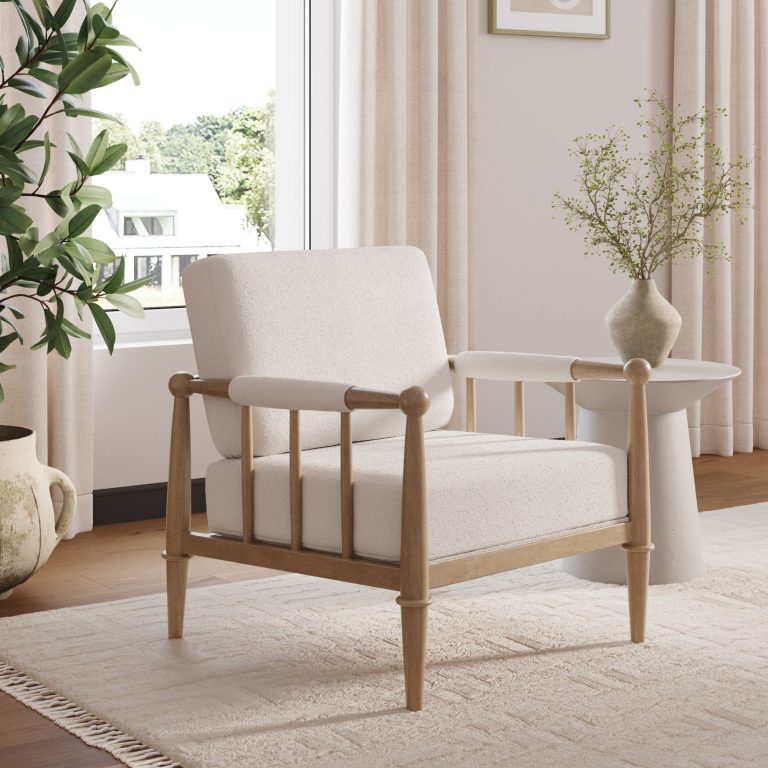
Wood, stone and wool hold up almost everything we make. Wood brings warmth and memory; stone brings weight and quiet; wool brings…