How to care for solid wood furniture (so it lasts 30 years)
Solid wood is a living material. Even after the final coat, the boards keep responding to humidity, sunlight and the heat of…
Free white-glove delivery on every order
Visit our Whittier showroom — Monday to Friday
New: The Autumn Collection 2026
Search furniture, stories, and pages. Press Enter to search.

The dining table is the piece you use most and think about least. Before choosing from a photograph, measure the room, count the chairs you actually need and decide how the table will live: every-day dinners, homework, Sunday lunch, or all three.
The most common mistake is buying a table that fits the room but leaves no room to move the chairs. Allow 24 inches of table width per person and at least 36 inches of clear space around the table for pulling chairs in and out. In a tight room, a round or softly rounded table lets people circulate more easily.
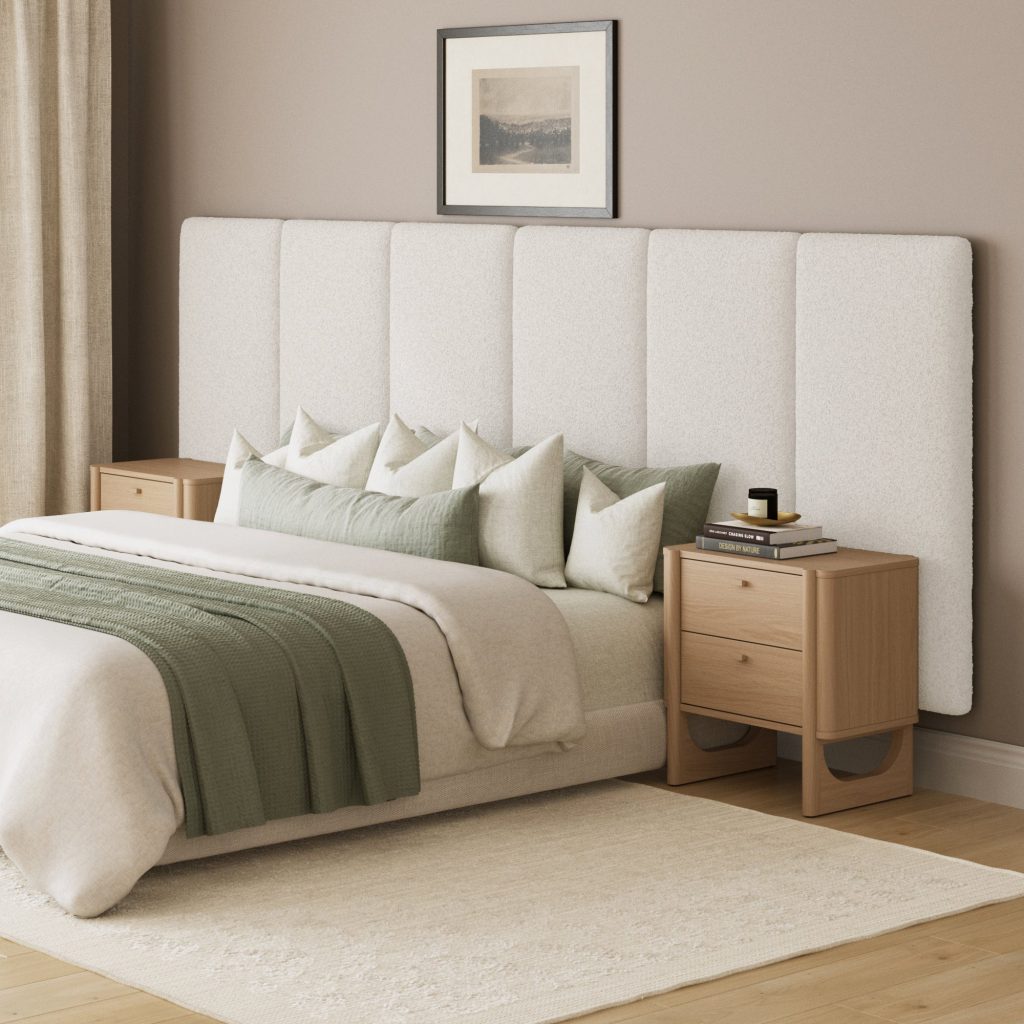
A rectangular table from 72 to 86 inches is the most versatile choice for six. A round table from 48 to 54 inches works in smaller rooms and invites conversation. A farmhouse table with benches gains seats and handles long meals. All of them can be built in oak or walnut; choose for the room, not for the trend.
A standard dining table is 29 to 30 inches high. A chair should leave about 10 to 12 inches between the seat and the table apron. If you buy table and chairs separately, test the pairing: a seat that is too high pushes the shoulders up and ruins a long dinner.
Solid wood varies in tone and figure. On a large top, the grain tells the story of the tree. Accept the differences: they are the signature of real wood. If you want a perfectly uniform surface, wood is not the material; if you want something that ages well, it is.
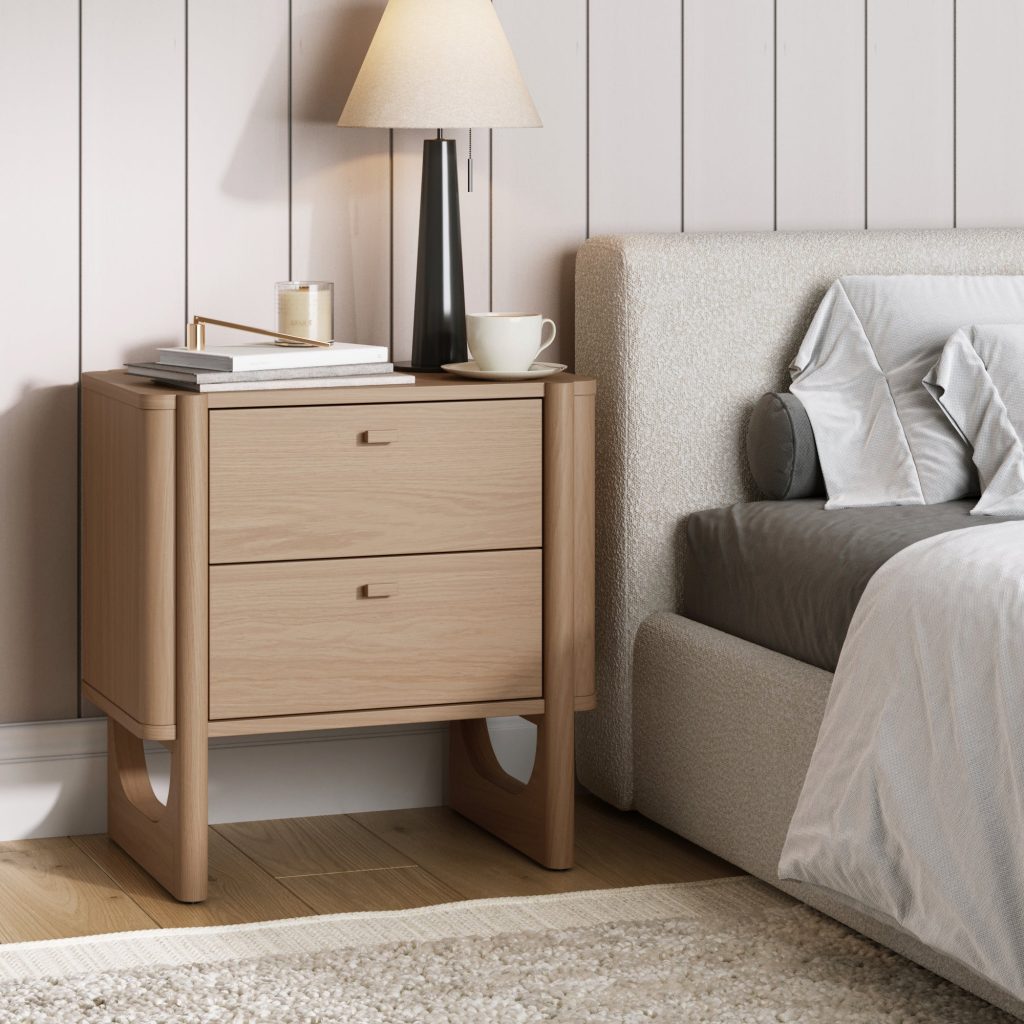
We build tables to measure in the workshop: tell us the room, the number of diners and the finish you have in mind. Email info@jinidai.com or start with the pieces in stock.
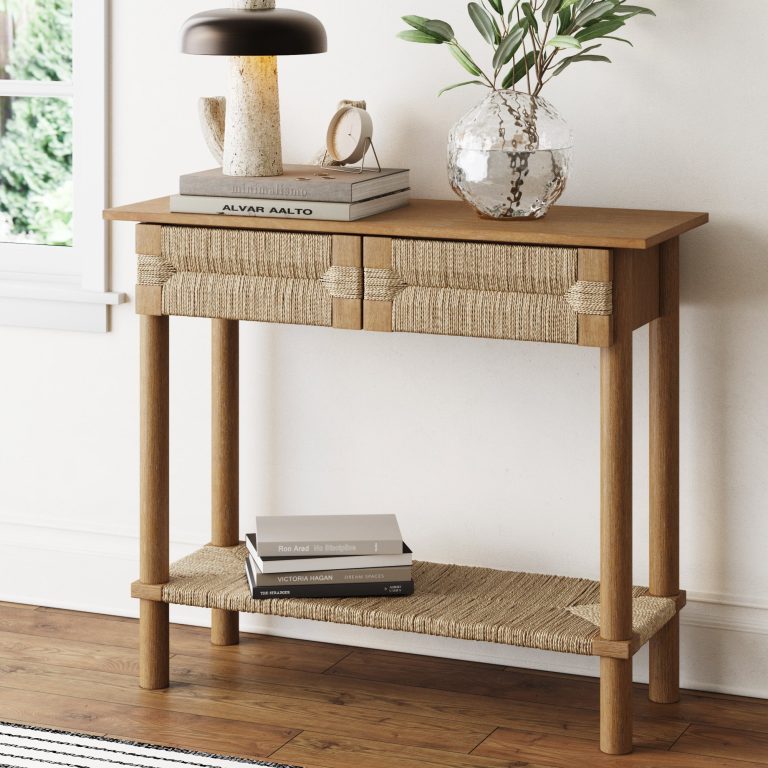
Solid wood is a living material. Even after the final coat, the boards keep responding to humidity, sunlight and the heat of…
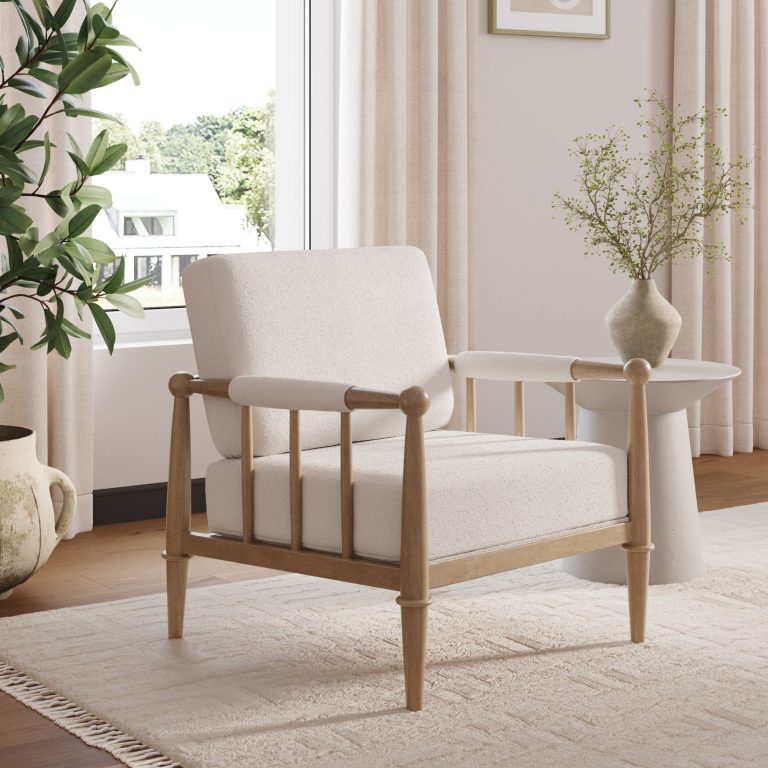
Wood, stone and wool hold up almost everything we make. Wood brings warmth and memory; stone brings weight and quiet; wool brings…