Posted on

Wood, stone and wool: mixing materials without fear

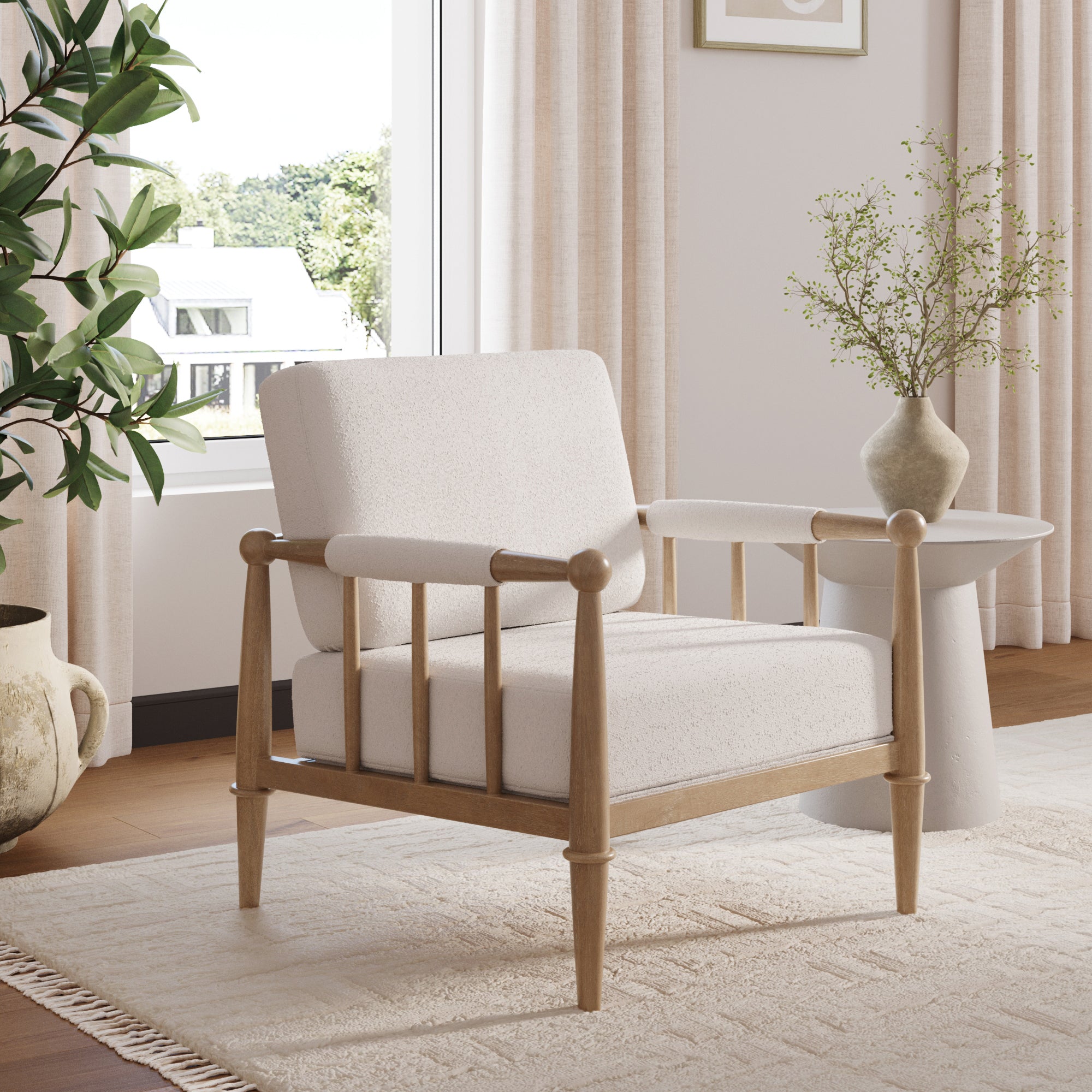
Wood, stone and wool hold up almost everything we make. Wood brings warmth and memory; stone brings weight and quiet; wool brings softness and sound absorption. Mixed with a little discipline, a living room can feel warm without looking like a catalog set. These are the rules we use in the studio.

1. Let one material lead

If the wood already has strong grain, let stone be the accent and let metal disappear. A solid oak table on a slim steel base does not need a stone slab beside it: one stone object on the shelf is enough. If stone dominates — a low stone coffee table — let wood bring warmth through chairs, bowls and a floor lamp.
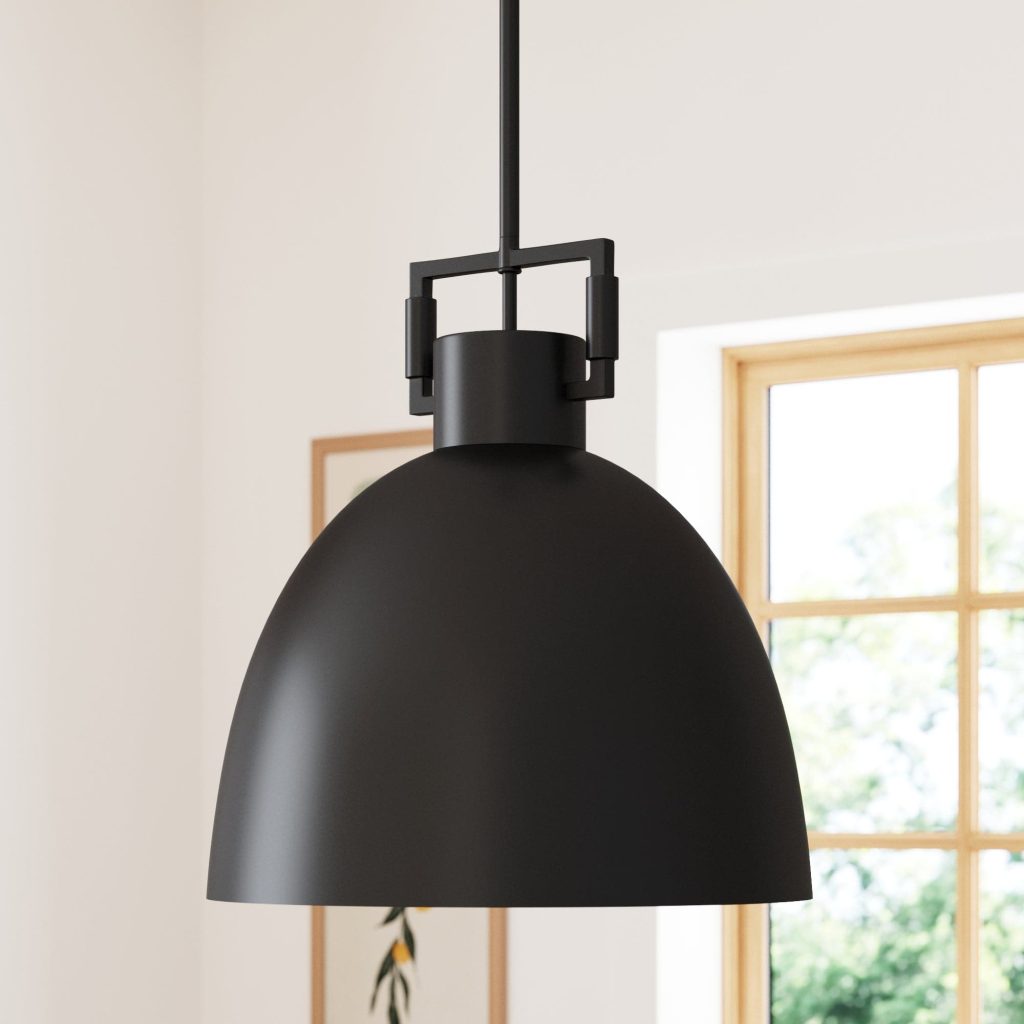
Metal Dome Shade Pendant Ceiling Light Black

2. Think temperature, not color

Wood is warm, stone is cool and metal is neutral. The mix works when there is proportion: plenty of wood with a touch of stone; plenty of stone with a touch of wood. Metal works best as a fine line — legs, frames, a small detail — rather than as the lead. Flat colors let the grain and the stone breathe.

3. The studio palette

Oat, walnut, spruce green, clay and a little brass. It is a palette drawn from the materials themselves. If you add a color, add one and keep it small: a cushion, a throw at the foot of a chair, one vase. Not everything at once.
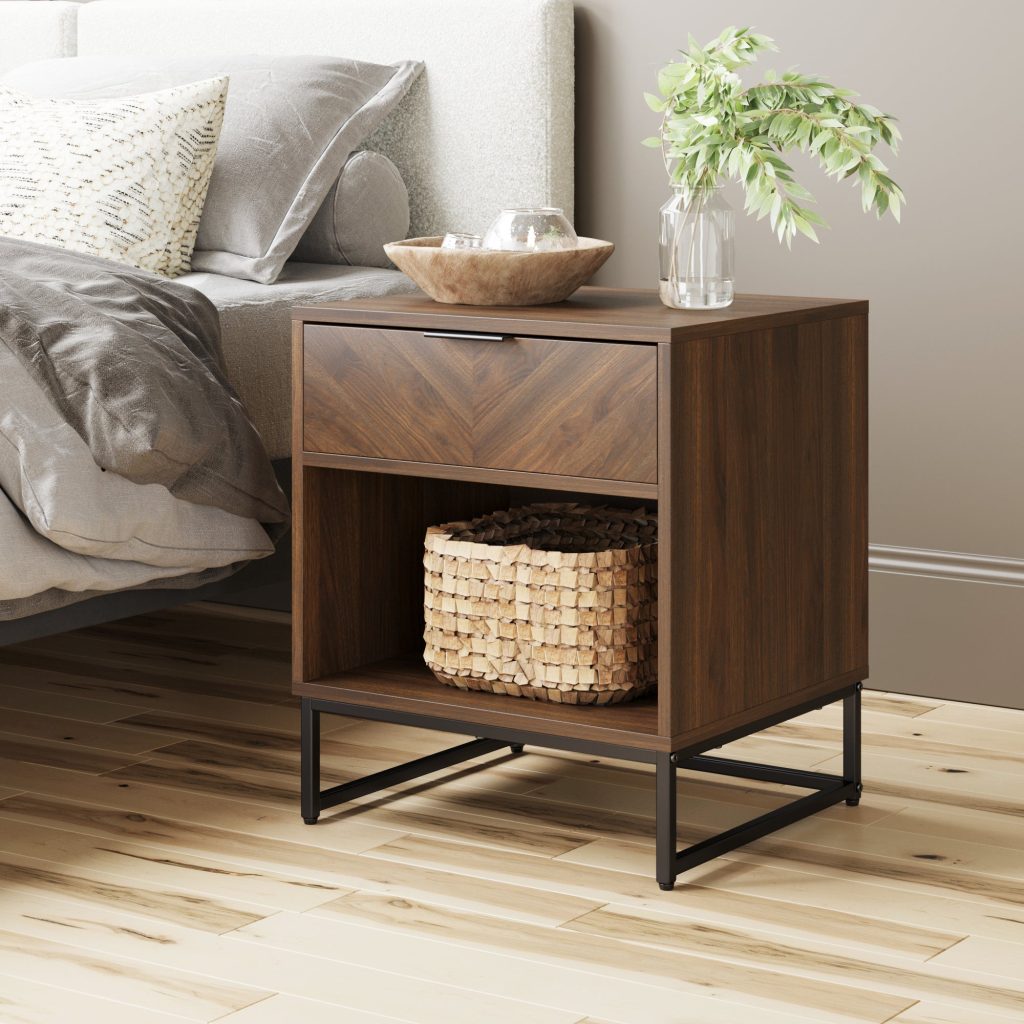
Wood Cabinet Herringbone Nightstand Walnut

4. Care for each material differently

Wood is oiled once or twice a year; stone is washed with mild soap and sealed when it meets food; metal is dried immediately to avoid marks. None of them needs harsh products. If a piece moves, stains or scratches, write to us: we would rather repair it than replace it.

If you would like help mixing pieces from different collections, email info@jinidai.com. See the materials in the current collection in the shop.

Posted on

How to choose the right dining table

The dining table is the piece you use most and think about least. Before choosing from a photograph, measure the room, count the chairs you actually need and decide how the table will live: every-day dinners, homework, Sunday lunch, or all three.

1. Leave 36 inches around the table

The most common mistake is buying a table that fits the room but leaves no room to move the chairs. Allow 24 inches of table width per person and at least 36 inches of clear space around the table for pulling chairs in and out. In a tight room, a round or softly rounded table lets people circulate more easily.

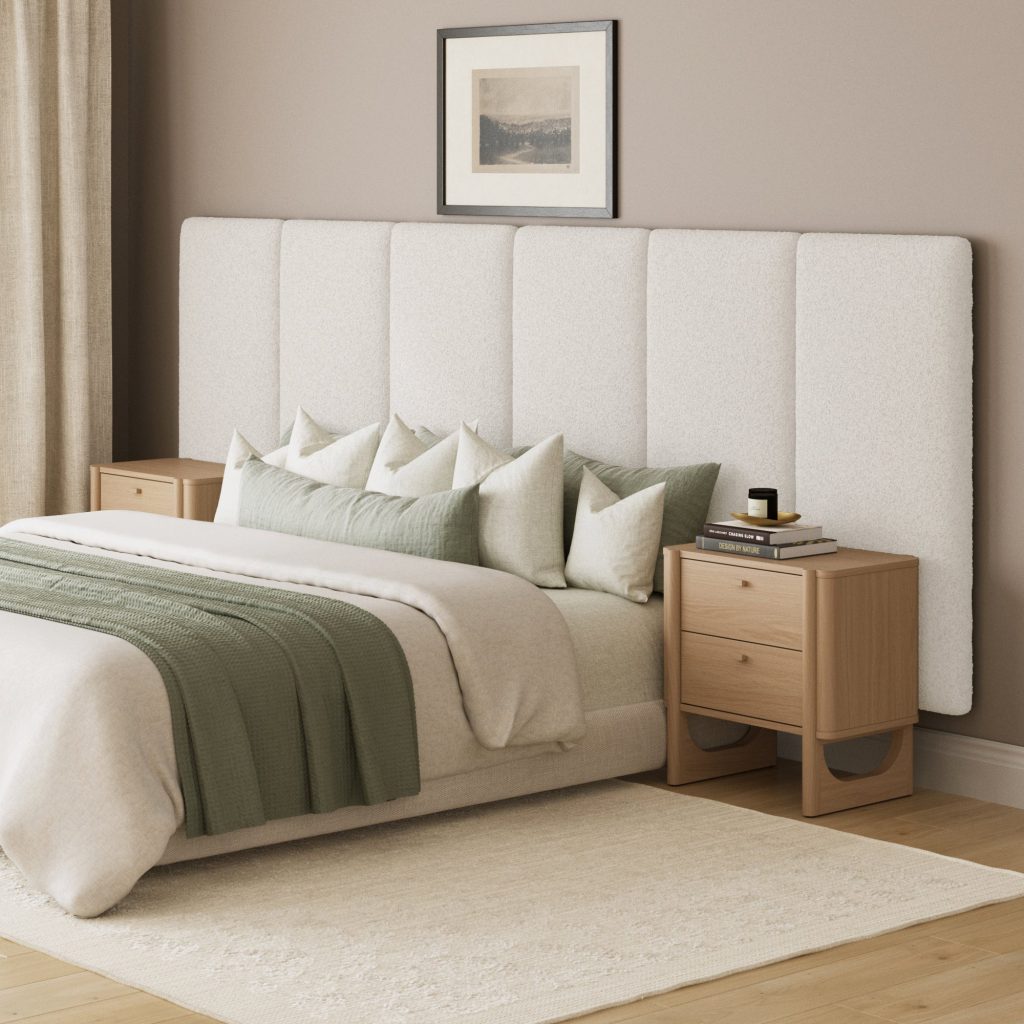
King Size Wall Mounted Oversize Upholstered Boucle Headboard

2. Rectangular, round or farmhouse

A rectangular table from 72 to 86 inches is the most versatile choice for six. A round table from 48 to 54 inches works in smaller rooms and invites conversation. A farmhouse table with benches gains seats and handles long meals. All of them can be built in oak or walnut; choose for the room, not for the trend.

3. Height and comfort

A standard dining table is 29 to 30 inches high. A chair should leave about 10 to 12 inches between the seat and the table apron. If you buy table and chairs separately, test the pairing: a seat that is too high pushes the shoulders up and ruins a long dinner.

4. Grain, not uniformity

Solid wood varies in tone and figure. On a large top, the grain tells the story of the tree. Accept the differences: they are the signature of real wood. If you want a perfectly uniform surface, wood is not the material; if you want something that ages well, it is.

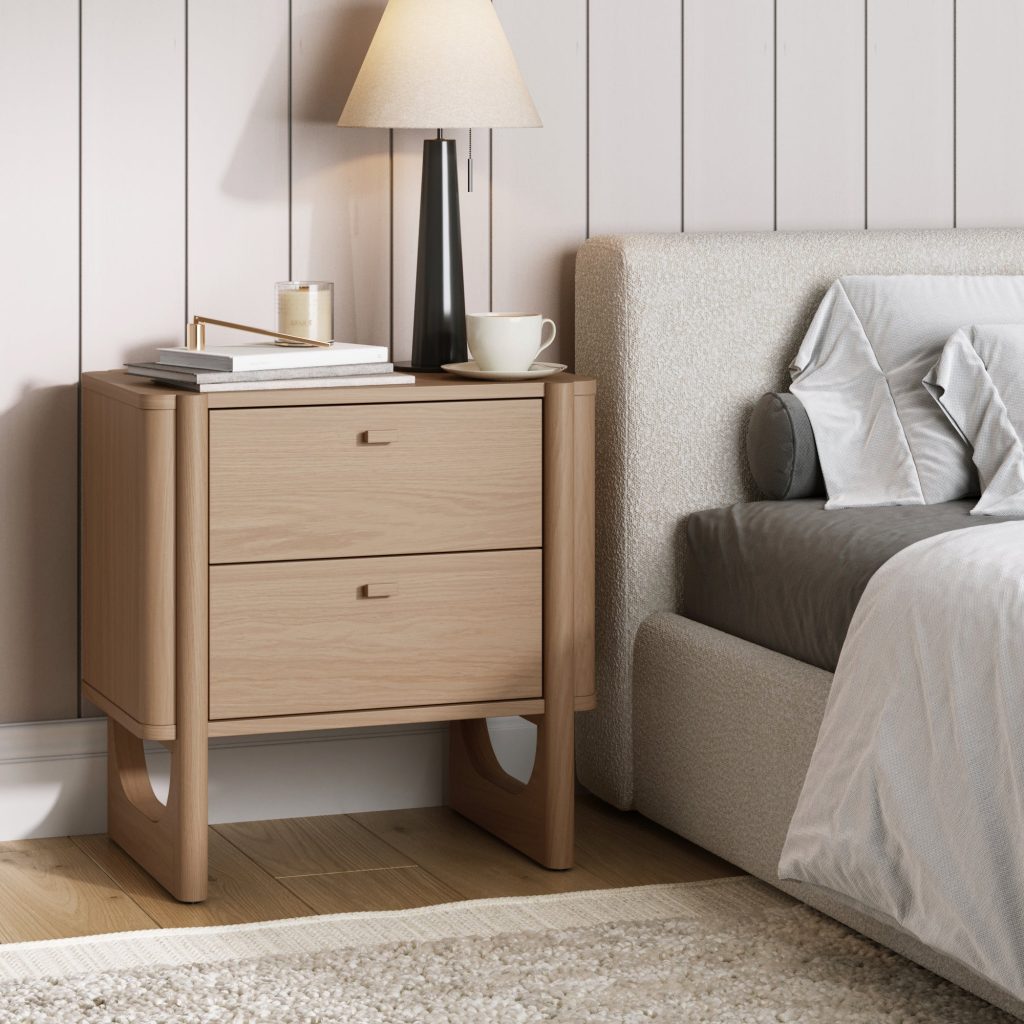
Mid Century Modern 2-Drawer Solid Wood Nightstand Raw Oak

We build tables to measure in the workshop: tell us the room, the number of diners and the finish you have in mind. Email info@jinidai.com or start with the pieces in stock.

Posted on

How to care for solid wood furniture (so it lasts 30 years)

Solid wood is a living material. Even after the final coat, the boards keep responding to humidity, sunlight and the heat of a kitchen. It does not need to be treated like a museum piece: four simple habits will carry it through decades and let it gather character along the way.

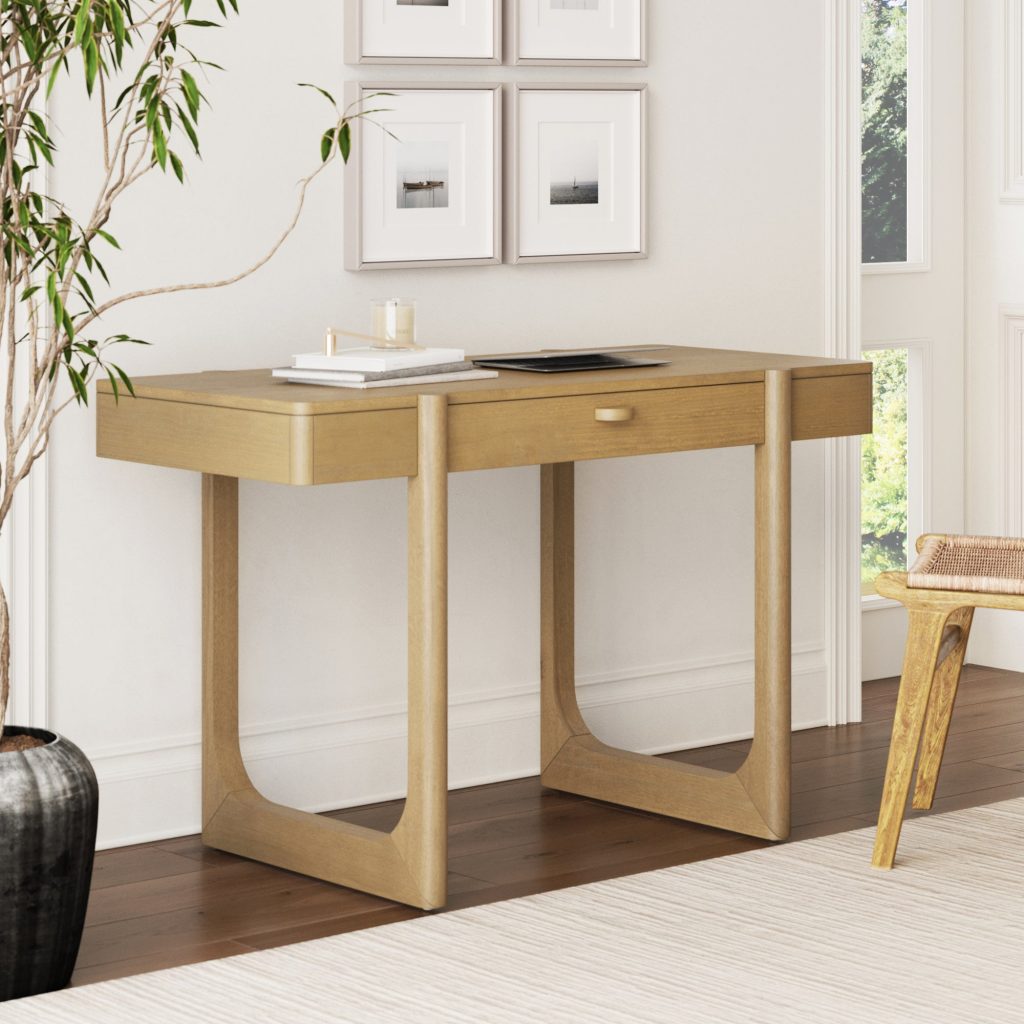
Solid Wood Desk with Drawer & Rounded Legs Light Brown

1. Keep it out of direct sun and direct heat

Steady sun bleaches wood and dries the surface. If a table sits beside a window, lower the shade during the strongest hours or rotate the objects on top. Avoid radiators, fireplaces and ovens too: sudden temperature swings are what open joints and create hairline cracks.

2. Clean often, gently

A barely damp cloth and mild soap are enough. Dry immediately. Skip bleach, alcohol, thinner and abrasive cleaners — they lift the finish and leave marks that cannot be blended out. For spills, blot with a clean cloth and let the surface air dry.

3. Oil once or twice a year

A thin coat of furniture oil — polymerized linseed oil or a natural wax blend — keeps the grain nourished and helps resist stains. Apply with a rag, let it absorb for fifteen minutes, then buff away the excess. Work on a dry day with good ventilation, never on a hot surface.

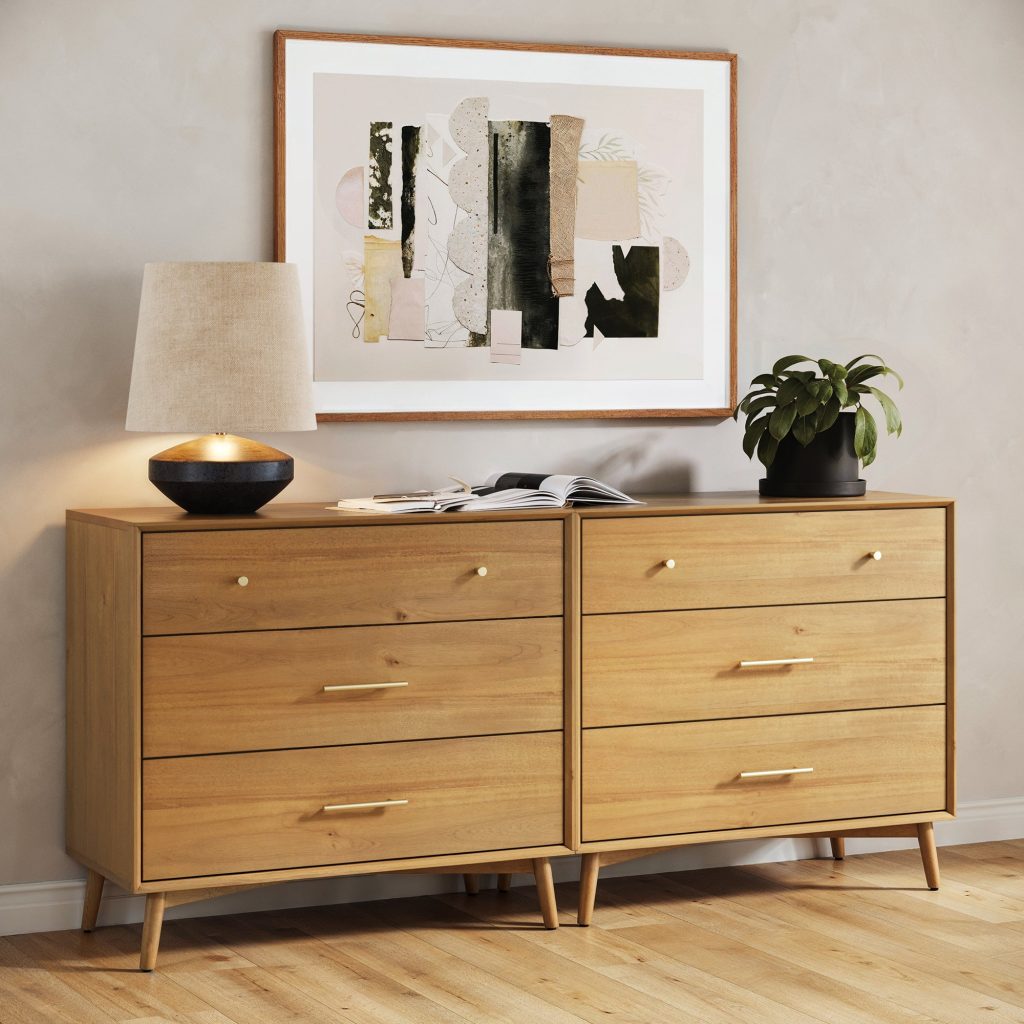
Mid-Century Modern Acacia 3 Drawer Dresser (Set of 2)

4. Fix moisture, don’t hide it

If a cold glass leaves a white ring, rub a little oil into the spot with a soft cloth. If the mark is older, sand very lightly with 600-grit paper, re-oil and let it cure. For deep scratches, write to us: we would rather repair a piece than replace it.

Every piece leaves our workshop ready to use. If you would like a care kit or a restoration visit, email info@jinidai.com or browse the current collection in the shop.